

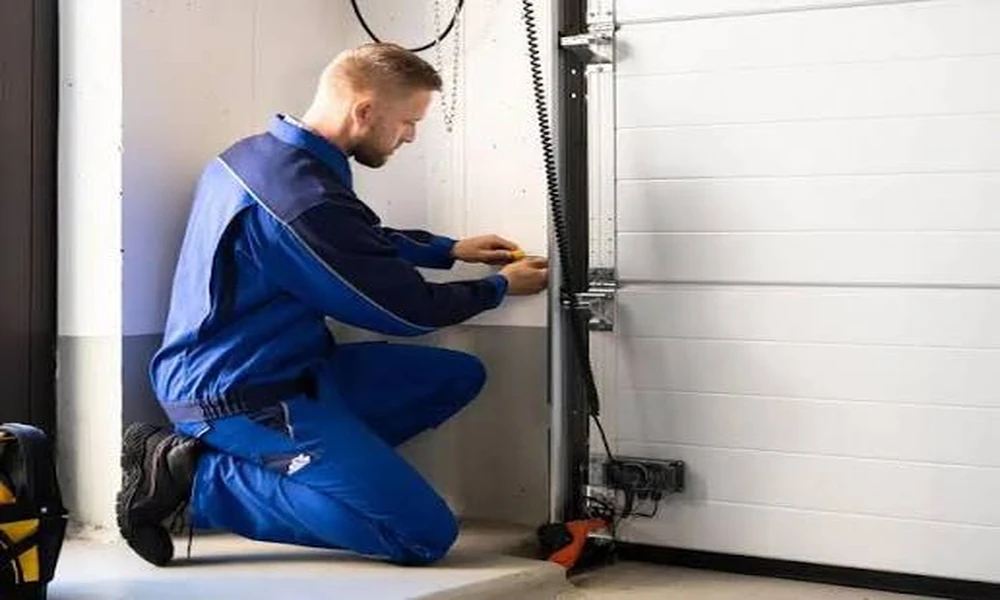
Myths about garage door repairs can turn minor problems into major headaches. When a garage door refuses to budge, it’s tempting to assume the worst, especially with the variety of issues that can crop up over the years. The truth is, most situations are less dire than they appear, and understanding what actually needs replacing can save time, stress, and serious money.
Myth 1: Damaged Panels Always Require Full Door Replacement
That basketball-shaped dent or fender scrape looks bad, but does it really mean you need an entirely new garage door? In many cases, the answer is no. Modern garage doors are designed with individual panels that can be swapped out as needed, providing an affordable fix for cosmetic or localized structural damage.
Repairing a single panel costs significantly less than investing in a new door. This is especially true if the damage hasn’t compromised your door’s alignment or overall integrity. Only when multiple panels are affected, or if the frame itself is bent out of shape, does full replacement become necessary. Severe impacts, recurring rust, or significant warping throughout the door are legitimate reasons to consider starting fresh.
Myth 2: Garage Door Hardware Lasts Forever Without Need for Replacement
If a door opens and closes, it’s working, right? Unfortunately, springs, cables, and tracks are all subject to gradual wear and tear. Springs may lose tension over time, cables can fray, and tracks might bend just enough to throw things off balance. Ignoring these early warning signs often leads to inconvenient breakdowns or, worse, potentially dangerous situations.
Look for telltale indicators: loose cables, squeaks that intensify, jerky movement, or a door that sags on one side. Addressing these issues early helps prevent unexpected failures. Regular inspection is the key to catching problems before they become emergencies.
Myth 3: Minor Panel Dents and Scratches Don’t Affect Door Functionality
That small dent might seem harmless, but surface damage can sometimes hide deeper issues. If left untreated, moisture can seep in, causing rust or compromising the insulation inside a panel. Even a seemingly minor blemish can set off a chain reaction that leads to uneven door movement or, in some cases, cause the door to come off its tracks.
Cosmetic repairs might involve filling and repainting, while deeper damage may require replacing the affected panel. When form and function are both restored, you not only improve curb appeal but also maintain the integrity of your entire garage door system.
Myth 4: You Can Safely Replace Garage Door Cables and Springs Yourself
DIY videos make spring replacement look easy, but the hidden dangers are real. Garage door springs and cables operate under enormous tension. Attempting repairs without proper training and tools has led to countless severe injuries. Professionals bring experience, specialized equipment, and a trained eye for identifying associated issues that a layperson might miss.
A reputable technician will start by inspecting surrounding hardware, ensuring that new parts function safely within the system. Expert service is about more than just swapping components. It’s about long-term safety and reliability. For anyone tempted to go the DIY route, remember that the cost of professional help pales in comparison to the cost of a hospital visit.
Myth 5: Misaligned Safety Sensors Mean Sensor Replacement Is Required
When a garage door refuses to close, sensors are often blamed. However, most issues stem from misalignment, dirty lenses, or loose wiring, problems that can usually be resolved without replacement. Cleaning the sensor or gently adjusting its position frequently restores normal operation.
Replacement is rarely necessary unless the sensor is physically damaged or the wiring is beyond repair. Recognizing the difference between minor issues and genuine failure can save money and frustration.
Myth 6: Bent Tracks Always Need Full Replacement
A garage door that gets stuck or moves with a loud grinding sound might have a bent track, but this doesn’t always spell disaster. Minor bends can often be repaired with careful adjustment and reinforcement. Only severely warped or cracked tracks require full replacement. Skilled technicians can restore smooth operation and prolong the lifespan of your existing hardware with targeted repairs.
Myth 7: All Garage Door Repairs Are Urgent and Costly
Not every malfunction warrants an immediate call for emergency service. Some issues, like worn weatherstripping or a slow opener, can be scheduled for later attention without risk. Prioritizing repairs based on safety and functionality, such as broken cables, non-functioning sensors, or a door that has jumped its track, keeps costs manageable and emergencies at bay.
Regular inspections, ideally once a year, help catch minor problems before they escalate. This preventative approach reduces the odds of a major breakdown, ultimately saving both money and inconvenience.
—
Knowing the difference between what can wait and what requires immediate action is half the battle. If you’re unsure about the severity of a problem, expert guidance is always available. Turning to specialists in garage door repair ensures accurate diagnosis and safe solutions, keeping your garage door operating smoothly for years to come.
