

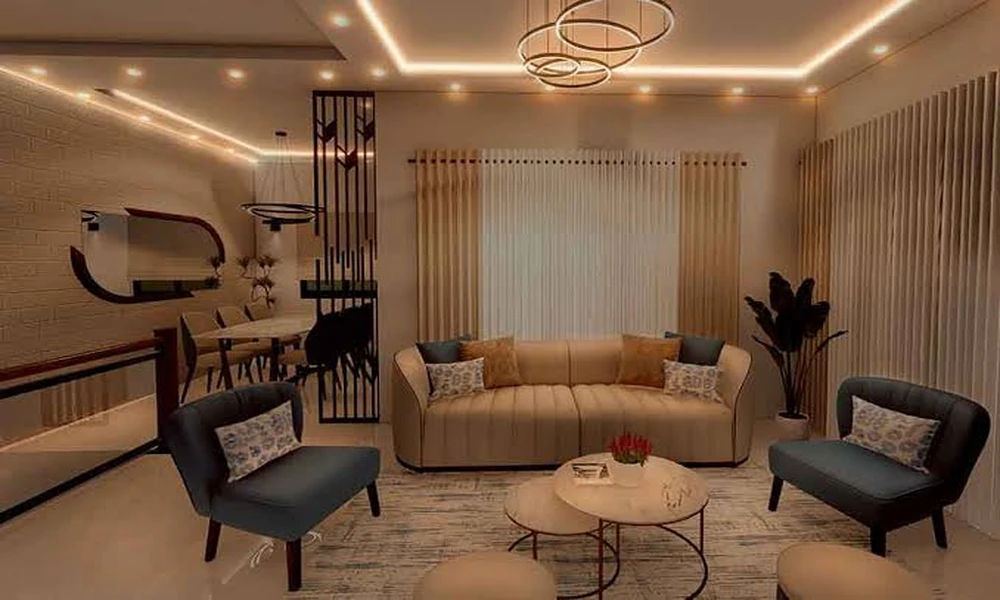
Lighting transforms a space, not just by making it usable, but by shaping its character, mood, and even brand identity. The real challenge for designers is blending functional and aesthetic lighting in environments where technical demands, creative vision, and stakeholder priorities all collide.
Balancing Functionality and Aesthetics: The Core Challenge
Grasping the difference between functional and aesthetic lighting is crucial. Functional lighting ensures spaces are safe, productive, and navigable. Think offices, corridors, stairwells, and emergency exits. Aesthetic lighting, on the other hand, sets the tone and atmosphere, highlighting architectural features, creating drama, or reinforcing brand identity.
When projects grow in complexity, the push and pull between function and form intensifies. Architects, engineers, and clients often have competing expectations: safety and compliance on one hand, visual impact on the other. Success depends on finding the sweet spot where both needs are met without compromise.
Case Study 1: Urban Office Development
Office environments must prioritize productivity, but nobody wants to work under harsh, uninspiring lights. In one recent urban office project, a diverse team tackled precisely this issue. Their plan called for uniform, glare-free overhead fixtures to support focused tasks. At the same time, they installed accent lights to infuse brand colors into the reception area and break zones.
The biggest challenge? Balancing energy efficiency with bold style statements. The team experimented with dimmable LEDs and carefully zoned controls, ensuring workspaces were functional, but client-facing areas felt inviting and on-brand.
Case Study 2: High-End Residential Complex
Residential projects bring a different set of expectations. Homeowners want comfort, flexibility, and the ability to adjust ambiance on demand. Here, layered lighting techniques shine. A high-end condo development, for instance, incorporated recessed task lights in kitchens, soft cove lighting for living areas, and sculptural pendants in dining spaces.
Natural light was a major asset, so designers strategically placed mirrors and selectively filtered daylight with sheer drapes. The trickiest aspect was selecting fixtures that married visual interest with usability. Custom sconces and discreet track systems offered the best of both worlds: seamless integration with the décor and the versatility to adapt to daily routines.
Case Study 3: Cultural Venue and Performance Space
Lighting in cultural venues goes beyond utility. It must spotlight performers, guide audiences, and immerse everyone in the experience. For one performance space, the unique need was flexibility, a single venue had to serve both intimate recitals and large-scale productions.
Dynamic lighting controls allowed technicians to shift between preset moods at the touch of a button, enhancing both function and artistry. Collaborations between lighting designers and architects were key: early conversations ensured hidden fixtures did not compromise acoustics or sightlines, yet delivered stunning visual effects on stage.
Tools and Technologies Enabling Integration
No matter the project, technology plays a pivotal role. Smart lighting systems empower designers with unprecedented flexibility; zones and scenes can be programmed to change throughout the day or event. The choice of materials, diffusers, reflectors, finishes, directly impacts how light is perceived and how fixtures blend into their surroundings.
Simulation software is now indispensable. Digital models allow teams to visualize the interplay of functional and aesthetic light long before installation, flagging potential problem areas and providing a platform for iteration.
Practical Strategies for Project Success
Early collaboration is non-negotiable. When designers, engineers, and clients connect from the outset, discord between ambition and feasibility shrinks. Prototyping, whether via physical mock-ups or digital renderings, exposes issues with glare, color temperature, or maintenance well before construction wraps up.
Long-term maintenance must also be a core consideration. Selecting fixtures that are both beautiful and serviceable prevents future headaches and keeps spaces looking their best.
Lessons Learned and Best Practices from Case Studies
The most common pitfall? Treating function and form as separate silos. Integrated teams that think holistically consistently deliver better outcomes. Successful projects illustrate that flexibility is vital: solutions must adapt to changing user needs, different daylight conditions, and evolving design sensibilities.
Future Trends in Functional and Aesthetic Lighting Integration
Emerging technologies promise even tighter integration. Tunable white LEDs, circadian rhythm lighting, and advanced sensors are transforming both homes and public spaces. Sustainability is becoming non-negotiable, driving innovation in energy efficiency and materials. Meanwhile, user expectations are evolving rapidly; people want lighting that reacts to them, not the other way around.
As projects become more ambitious, resources like Avant-Scene lighting offer valuable inspiration and product solutions for professionals seeking to merge beauty with utility.
Ultimately, the best lighting strategies are invisible in their success: occupants feel comfortable, inspired, and engaged, all without ever noticing the careful choreography above and around them.
