

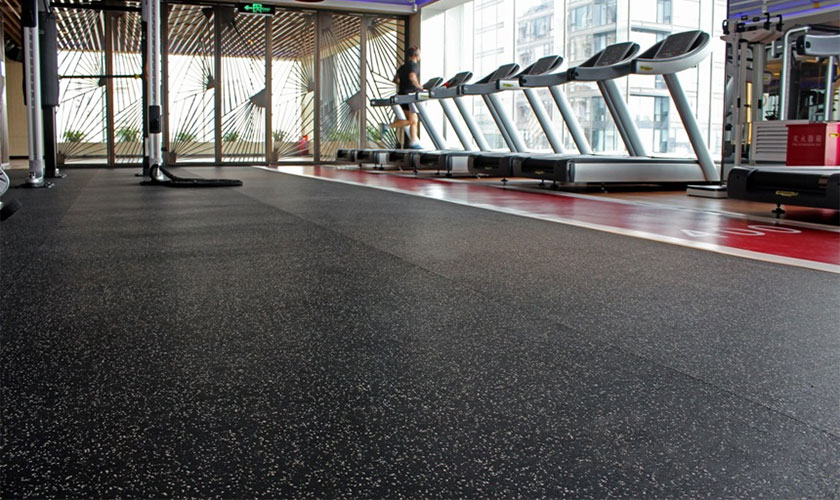
Once confined to gyms, playgrounds, and industrial spaces, rubber flooring is now making bold moves into homes—especially into kitchens and bathrooms. Why the shift? Homeowners and designers alike are prioritizing materials that are durable, waterproof, slip-resistant, and easy to maintain—all features that rubber flooring delivers with ease. Add in a growing interest in sustainable and wellness-focused living, and it’s clear why rubber is no longer just for utility spaces. It’s taking center stage in the modern home.
Why Rubber? The Functional Edge in Wet Areas
Kitchens and bathrooms present unique challenges for flooring: water spills, humidity, temperature changes, and frequent cleaning. While ceramic tiles, vinyl, and hardwood have traditionally ruled these spaces, each comes with trade-offs—grout maintenance, water sensitivity, or limited comfort underfoot.
Rubber flooring, on the other hand, offers a rare combination of benefits:
Waterproof & Mold-Resistant: Made from naturally water-repellent materials, rubber doesn’t absorb moisture, making it resistant to mold, mildew, and water damage.
Slip-Resistant: Whether you’re stepping out of the shower or dealing with cooking spills, rubber’s naturally grippy surface offers safety, especially in homes with children or older adults.
Soft Yet Durable: It cushions steps, reduces fatigue during long cooking sessions, and handles heavy foot traffic without cracking or warping.
These qualities are making rubber flooring a go-to option for areas where performance truly matters.
Modern Aesthetics Meet Performance
The perception of rubber flooring as utilitarian or “gym-like” is rapidly changing. Thanks to advances in manufacturing and design, rubber flooring is now available in sleek finishes, trendy colors, and even stone or wood-look textures. Want matte charcoal in your kitchen or soft blue tiles for a spa-inspired bathroom? Rubber can do that—and more.
Design-conscious brands now offer rubber tiles, rolls, and planks that mimic the appearance of high-end materials while offering superior water resistance and resilience. For minimalist interiors, solid-color rubber in large tiles or seamless rolls creates a clean, modern look. For bolder design statements, patterned or speckled rubber options allow for creative, custom touches.
Eco-Friendly and Non-Toxic
Sustainability is a major concern in today’s home design—and rubber flooring fits the bill beautifully. Many rubber floors are made from recycled materials, particularly from post-consumer tires, giving them an eco-conscious edge. Others use natural rubber harvested from rubber trees in responsible ways.
In addition to being environmentally friendly, rubber is also low-VOC, which means it won’t off-gas harmful chemicals like some vinyl flooring options. That makes it a great choice for families seeking a healthier indoor air environment.
Easy Maintenance = Less Stress
Rubber flooring is virtually maintenance-free, which is a huge plus for kitchens and bathrooms. It doesn’t require sealing, polishing, or waxing. Spills? Just wipe them up. Dirt? A quick mop or sweep will do. Unlike tile, there’s no grout to scrub. Unlike wood, there’s no risk of warping or staining. It’s designed to stand up to the mess of everyday life.
Bonus: Rubber’s resilience makes it quiet and shock-absorbent, minimizing the clatter of dropped pots or the echo of footsteps—making kitchens feel calmer and bathrooms more peaceful.
Installation Versatility
Rubber flooring is available in various formats—tiles, rolls, and interlocking mats—offering flexibility for different installation needs. While rolled rubber creates a seamless, waterproof surface ideal for bathrooms, interlocking tiles can be an easy DIY solution for kitchen renovations.
And because rubber is naturally flexible, it can accommodate slight subfloor imperfections without cracking or lifting—making it a smart choice for older homes or uneven surfaces.
Common Concerns, Debunked
Some homeowners worry about rubber flooring looking too industrial or having a “rubbery smell.” Here’s the truth:
Smell: Most odor dissipates within a few days of installation, especially with higher-quality or natural rubber options.
Look: With modern finishes and customization, rubber can look sleek, chic, and completely at home in designer bathrooms and contemporary kitchens.
Still on the fence? Consider blending rubber flooring into high-risk areas only—such as near the sink, stove, or tub—and pairing it with other materials elsewhere.
The Bottom Line
Rubber flooring Dubai is redefining what we expect from wet-area flooring. It’s waterproof, worry-proof, and wonderfully versatile—bringing together function, sustainability, and fresh design. Whether you’re remodeling a powder room or upgrading your kitchen to handle the chaos of family life, rubber offers a smart, stylish foundation that’s ready for anything.
