

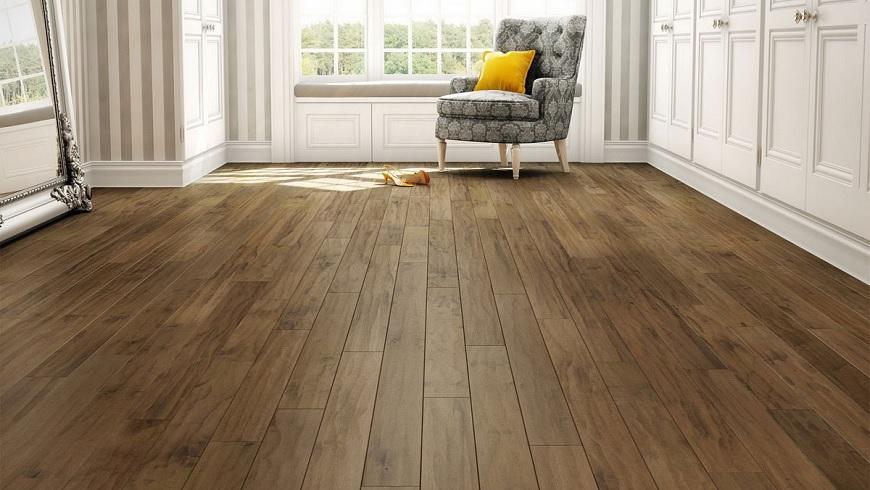
Wooden flooring has long been a symbol of elegance and enduring quality in home and commercial interiors. With its natural beauty, lasting durability, and wide variety of options, wooden flooring remains one of the most popular choices for those looking to enhance the aesthetic and functional value of their spaces. Whether in traditional homes or modern apartments, Flooring offers a timeless charm that never goes out of style.
Types of Wooden Flooring
Wooden flooring generally falls into two main categories: solid wood flooring and engineered wood flooring. Each has its own characteristics, advantages, and ideal applications.
Solid Wood Flooring: This is made from a single piece of hardwood and is known for its long lifespan and ability to be sanded and refinished multiple times. Solid wood flooring is ideal for areas with low humidity and is often used in living rooms, bedrooms, and dining areas
Engineered Wood Flooring: Made from multiple layers of wood with a hardwood veneer on top, engineered flooring offers greater stability and resistance to changes in humidity and temperature. It’s a great choice for areas like basements or over concrete subfloors, where solid wood might warp or swell.
Benefits of Wooden Flooring
Aesthetic Appeal: Wooden flooring provides a natural, warm, and inviting look that complements virtually any interior design—from rustic and classic to sleek and contemporary. The variety of wood species, finishes, and plank sizes allows for endless customization.
Durability and Longevity: When properly maintained, wood flooring can last for decades, often outlasting carpets, vinyl, or laminate. Solid wood floors, in particular, can be refinished multiple times, restoring their original beauty.
Easy Maintenance: Wooden floors are relatively easy to clean and maintain. Regular sweeping or vacuuming and occasional damp mopping with wood-safe products keep the surface looking great.
Improved Indoor Air Quality: Unlike carpet, wood floors do not trap dust, allergens, or pet dander. This makes them an excellent option for those with allergies or respiratory sensitivities.
Added Property Value: Homes with wooden flooring are often more attractive to buyers and can command a higher resale value. It’s seen as a premium feature that adds both beauty and function.
Eco-Friendly Options: Many wooden flooring products today are sustainably sourced and certified by organizations such as the Forest Stewardship Council (FSC). Bamboo and reclaimed wood are also popular eco-conscious alternatives.
Popular Wood Species
The species of wood you choose significantly affects the floor’s appearance and performance. Some popular choices include:
Oak: Known for its strength, durability, and beautiful grain patterns. Available in red and white varieties.
Maple: A light-colored wood with a smooth, subtle grain that suits modern interiors.
Walnut: Dark, rich, and elegant—perfect for a luxurious atmosphere.
Cherry: Reddish-brown with a smooth texture, cherry darkens beautifully over time.
Hickory: Extremely durable and unique in appearance, ideal for high-traffic areas.
Finishes and Textures
Wood flooring comes in various finishes and textures, each offering a different aesthetic:
Glossy Finish: Reflective and elegant, but more prone to showing scratches and dust.
Matte Finish: Offers a more natural look and better hides imperfections.
Brushed or Distressed: Adds character and a vintage appeal, often used in rustic designs.
Hand-Scraped: Provides a handcrafted, aged look that’s both trendy and timeless.
Installation Methods
There are several ways to install wooden flooring, depending on the type and subfloor:
Nail Down: Common for solid wood floors, particularly over plywood subfloors.
Glue Down: Often used for engineered wood or when installing over concrete.
Floating: A quick and versatile method where planks are locked together without nails or glue—ideal for engineered wood.
Professional installation is highly recommended to ensure proper alignment, spacing, and overall finish. Incorrect installation can lead to warping, squeaking, and shortened lifespan of the floor.
Caring for Wooden Flooring
Proper care ensures your wooden flooring remains in excellent condition for years. Here are a few maintenance tips:
Use soft-bristle brooms or vacuum cleaners with hardwood settings.
Clean up spills immediately to prevent staining or warping.
Use protective pads under furniture to avoid scratches.
Refinish high-traffic areas when needed to restore shine and smoothness.
Keep indoor humidity levels stable to prevent expansion or contraction.
Final Thoughts
Wooden flooring is a smart investment for any property. It combines natural elegance with long-term performance and is adaptable to a wide range of styles and preferences. Whether you opt for the traditional richness of solid oak or the modern convenience of engineered planks, wood flooring adds warmth, value, and enduring beauty to your home or office.
When choosing wooden flooring, consider your lifestyle, budget, and aesthetic goals. With so many options available, you’re sure to find the perfect Wooden Flooring to complement and elevate your space.
