

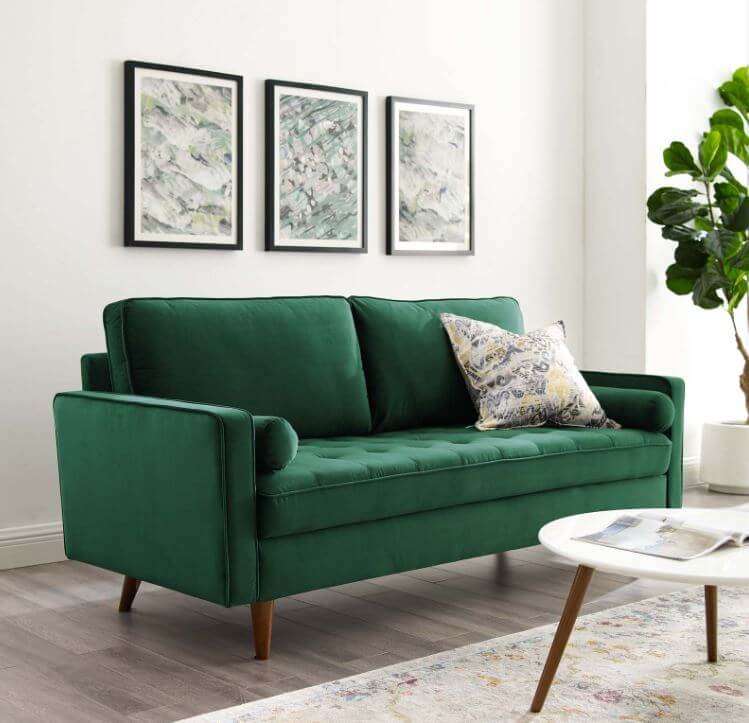
In today’s world, where sustainability is at the forefront of consumer choices, even home decor is evolving to meet eco-conscious needs. When it comes to revamping your living room or replacing an old, worn-out sofa, one of the most impactful decisions you can make is choosing sustainable sofa upholstery. From eco-friendly fabrics to environmentally responsible upholstery practices, making greener choices for your furniture not only benefits the planet but can also add a fresh, modern aesthetic to your home.
Why Sustainable Sofa Upholstery Matters
The furniture industry has long been known for contributing to environmental degradation. From the harvesting of natural resources to the chemicals used in synthetic fabrics and dyes, the process of manufacturing furniture—especially upholstered furniture—can leave a large carbon footprint. By opting for sustainable materials and methods, you can reduce waste, conserve resources, and make a positive environmental impact.
For example, traditional upholstery fabrics, such as conventional cotton or synthetic polyester, can take years to break down in landfills. By contrast, eco-friendly fabrics like organic cotton, hemp, or recycled materials offer a more sustainable alternative. These materials often use fewer pesticides and chemicals in their production, support ethical labor practices, and are often biodegradable.
As consumers become more aware of their environmental impact, the demand for sustainable products has risen. In fact, eco-friendly sofa upholstery is now not just a passing trend, but a lasting shift toward a greener lifestyle.
Eco-Friendly Fabric Choices for Sofa Upholstery
When it comes to selecting sustainable fabrics for sofa upholstery, you have several options. Let’s explore some of the most popular eco-friendly materials:
Organic Cotton
Organic cotton is grown without the use of synthetic pesticides or fertilizers, which helps reduce environmental pollution and soil degradation. Unlike conventional cotton farming, which consumes large amounts of water, organic cotton is grown with more sustainable agricultural practices. While it might be a bit pricier than regular cotton, the long-term environmental benefits make it worth the investment.
Cotton’s natural texture and breathability make it a popular choice for sofa upholstery, providing comfort and durability. It also works well with a variety of color palettes, allowing you to choose from a wide range of designs.
Hemp
Hemp is another fantastic option for eco-friendly upholstery. It’s one of the oldest and most sustainable fibers known to humankind. Hemp requires minimal water and pesticides to grow, and it thrives in a variety of climates, making it a resilient crop. Hemp fibers are durable and naturally resistant to mold and mildew, which makes them a great choice for long-lasting sofa upholstery.
Additionally, hemp fabric softens over time without losing its structural integrity, making it a comfortable and sustainable option for your sofa. Its earthy, natural look can complement modern or rustic decor styles, offering a fresh, organic aesthetic.
Recycled Polyester (rPET)
Recycled polyester (often labeled as rPET) is made from post-consumer plastic bottles and other waste materials. Not only does it help divert plastic waste from landfills, but it also requires less energy to produce than virgin polyester. By reusing materials that would otherwise contribute to pollution, rPET offers a more sustainable option for furniture upholstery.
Recycled polyester fabrics are versatile, durable, and available in a wide variety of textures and colors. They mimic the feel of traditional polyester but without the environmental impact.
Tencel (Lyocell)
Tencel, a brand name for lyocell, is an eco-friendly fiber made from wood pulp, typically sourced from sustainably managed forests. The production process uses a closed-loop system, meaning that most of the chemicals used in manufacturing are recycled and reused. As a result, Tencel is both biodegradable and environmentally friendly.
Tencel has a soft, silky texture that’s highly breathable and moisture-wicking, making it a comfortable choice for sofa upholstery. It also resists wrinkles, which makes it a low-maintenance fabric for your furniture.
Cork Fabric
Yes, cork—typically associated with wine bottle stoppers—has found its way into the upholstery world! Made from the bark of cork oak trees, cork fabric is 100% biodegradable, renewable, and incredibly durable. The harvesting process doesn’t harm the trees, allowing them to continue growing for years.
Cork fabric provides a unique, textured finish that’s both stylish and sustainable. It’s waterproof, easy to clean, and naturally resistant to mold and mildew, making it ideal for areas with high traffic or exposure to spills.
Sustainable Upholstery Practices
Choosing eco-friendly fabrics is just one part of the equation when it comes to sustainable sofa upholstery. The upholstery process itself also plays a role in reducing your environmental footprint. Here are some sustainable practices that are gaining popularity in the furniture industry:
Reupholstering Existing Furniture
Rather than throwing out your old sofa and purchasing a brand-new one, consider reupholstering your existing piece. Reupholstering gives you the opportunity to refresh your sofa with eco-friendly materials, while also keeping it out of a landfill. Not only does this reduce waste, but it also gives you the chance to breathe new life into an old favorite.
Eco-Friendly Padding and Filling
Many traditional padding materials, such as foam, are made from non-biodegradable substances, which can be harmful to the environment. Look for upholstery shops that offer eco-friendly filling options, such as natural latex, organic cotton, or recycled materials. These options are not only more sustainable but also healthier for your home since they contain fewer chemicals.
Natural Dyes and Non-Toxic Adhesives
Another way to ensure your upholstery is eco-friendly is by selecting fabrics that use natural dyes and non-toxic adhesives. Traditional dyes can contain harmful chemicals that contribute to water pollution during the manufacturing process. Opt for fabrics dyed with natural plant-based or low-impact dyes that use fewer resources and pose fewer risks to the environment. Similarly, non-toxic glues and adhesives ensure that harmful chemicals aren’t released into the air, contributing to indoor air pollution.
The Benefits of Choosing Sustainable Sofa Upholstery
Making the switch to sustainable sofa upholstery not only benefits the environment but can also improve the quality of your living space. Here’s why you should consider going green with your next sofa project:
- Durability: Many eco-friendly fabrics are designed to last longer, meaning your furniture will need fewer replacements over time.
- Healthier Indoor Environment: By choosing non-toxic, natural materials, you can reduce the presence of harmful chemicals in your home.
- Aesthetic Appeal: Sustainable fabrics offer a unique, natural look that can elevate your interior design and create a fresh, modern atmosphere.
- Reduced Carbon Footprint: By opting for materials that are produced with fewer chemicals and more sustainable practices, you’re directly contributing to a cleaner planet.
Conclusion
Incorporating sustainable sofa upholstery dubai into your home decor is an impactful choice that reflects your commitment to a healthier planet. By choosing eco-friendly fabrics like organic cotton, hemp, or recycled polyester, and opting for greener upholstery practices, you’re making a conscious decision to reduce waste, conserve resources, and support environmentally responsible businesses. As sustainability continues to shape the future of interior design, your sofa can be both a comfortable place to relax and a testament to your commitment to a more sustainable lifestyle.
