

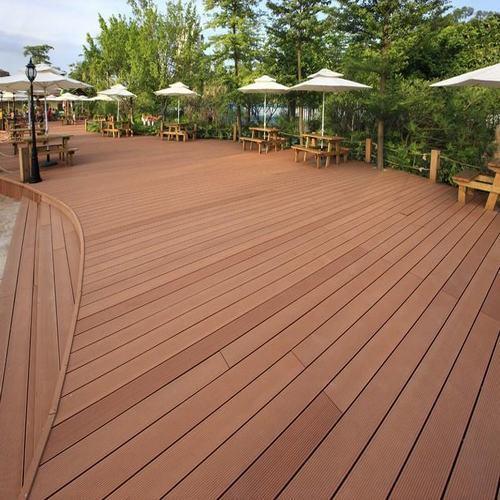
When it comes to home renovations, flooring plays a vital role in both function and aesthetics. If you’re exploring waterproof and stylish flooring options, WPC flooring is probably on your radar. But is WPC flooring the right choice for moisture-prone areas like your kitchen, bathroom, or balcony? Let’s dive deep into the features, benefits, and limitations of WPC to help you make an informed decision.
What Is WPC Flooring?
WPC flooring is a type of engineered luxury vinyl made from a combination of wood fiber (or wood flour), plastic polymers, and a foaming agent. It has a multi-layer structure that includes:
- A wear layer for scratch resistance
- A vinyl top layer for design and texture
- A core layer made of wood-plastic composite
- A backing layer for sound insulation and stability
This layered composition makes WPC flooring not only attractive but also highly resilient, water-resistant, and comfortable underfoot.
WPC Flooring in the Kitchen: A Perfect Match
The kitchen is the heart of any home—but it’s also a high-traffic, spill-prone area. Traditional hardwood or laminate might look great, but they’re not the most practical for everyday kitchen chaos. Here’s why WPC is a smart choice:
Water & Spill Resistance
WPC flooring is waterproof, making it resistant to kitchen mishaps like boiling water splashes, oil spills, or sauce stains. You won’t have to panic every time something hits the floor.
Durability Against Foot Traffic
Between cooking, cleaning, and socializing, your kitchen floors take a beating. WPC’s tough wear layer holds up well against scratches, dents, and stains, even with pets or kids running around.
Comfort and Warmth
Unlike tile or stone, WPC flooring has a slightly softer feel due to its foam core. It provides better insulation and comfort, ideal for standing long hours while cooking.
Can WPC Flooring Handle the Bathroom Environment?
Bathrooms are the wettest spaces in any home. Moisture is constant—whether from steam, splashes, or wet feet after a shower. WPC has some clear advantages, but also some considerations in this setting.
Moisture and Humidity Tolerance
Yes, WPC is 100% waterproof, so it won’t swell, warp, or rot with bathroom use. It’s a much better option than hardwood or laminate for this reason.
Slip Resistance
Choose WPC options with embossed or textured surfaces to enhance grip and reduce the risk of slipping on wet floors. It’s especially helpful for households with kids or seniors.
Installation Around Fixtures
WPC flooring is a floating floor system, meaning it’s not glued down. This allows easy installation, but proper sealing around the tub, toilet, and vanity is essential to prevent moisture from seeping underneath.
Ventilation is Key
While WPC handles humidity better than most floors, good bathroom ventilation is still important to prevent mold or mildew from forming in crevices.
WPC for the Balcony: Proceed with Caution
WPC flooring has grown in popularity for semi-outdoor areas like balconies, patios, and enclosed terraces, but it’s essential to evaluate a few key factors.
Weather Resistance
WPC can handle occasional exposure to moisture and even some UV light, especially if you choose UV-resistant coatings. However, it’s best used in covered or partially sheltered balconies to protect against direct sun and heavy rain.
Thermal Expansion
Like any composite material, WPC can expand or contract with temperature fluctuations. Ensure proper expansion gaps during installation to avoid buckling or warping.
Slip-Resistant Finishes
If your balcony is frequently wet due to rain or plant watering, look for WPC boards with anti-slip properties to improve safety.
Drainage Matters
WPC flooring on balconies should always be installed over a surface with adequate drainage. Pooling water underneath can reduce the floor’s lifespan, even if the top surface is waterproof.
Design Options: Stylish for All Spaces
One of the biggest perks of WPC flooring is its design flexibility. It mimics the look and texture of real wood, tile, or stone—giving you endless style options.
Whether you’re aiming for a rustic oak kitchen, a spa-style bathroom, or a modern minimalist balcony, WPC has styles and colors to match.
Maintenance and Cleaning
Maintaining WPC flooring is a breeze:
- Sweep or vacuum regularly
- Clean with a damp mop and mild cleaner
- No need for waxes or harsh chemicals
- Avoid dragging heavy furniture to prevent scratches
It’s ideal for homeowners who want beauty without the burden of high maintenance.
Final Verdict: Is WPC Flooring Right for You?
Kitchen: Absolutely. WPC flooring’s durability, waterproof nature, and comfort underfoot make it an excellent kitchen flooring option.
Bathroom: Yes, with care. It performs well in wet conditions but should be installed correctly with proper sealing and ventilation.
Balcony: Possibly. Use it in covered or semi-outdoor areas where exposure to rain and sunlight is limited. For open balconies, consider WPC decking boards instead of traditional indoor-style planks.
Conclusion
WPC flooring Dubai offers a smart blend of style, functionality, and resilience—especially for moisture-prone areas like kitchens, bathrooms, and covered balconies. With thoughtful installation and minimal upkeep, it can be a long-lasting and visually appealing choice for your home.
