

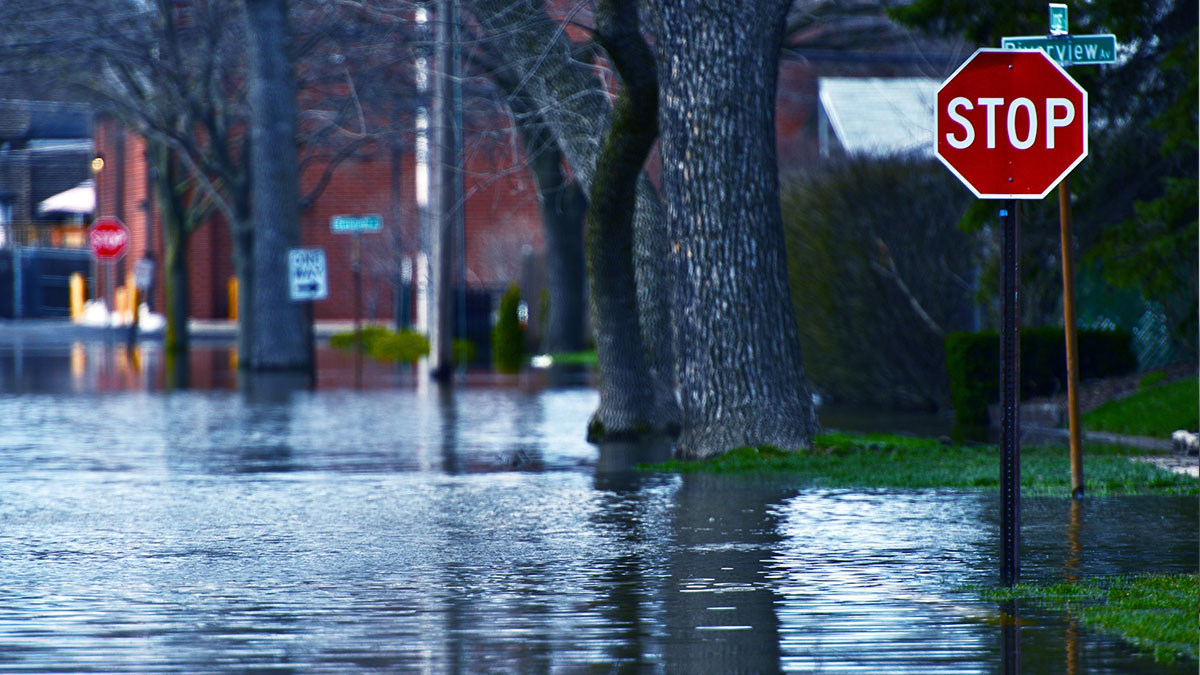
Flooding can disrupt any type of business, but preparation makes a major difference in how much damage occurs and how quickly operations recover. Retail stores, offices, and industrial facilities each face unique flood risks, yet many preparedness steps apply across all commercial properties. Having the right measures in place before flooding occurs helps businesses protect people, property, and revenue.
Assess Flood Risks Specific to Your Property
Every commercial property has different flood risks based on location, building design, and operations. Retail spaces with ground-level entrances, offices with basements, and industrial buildings with large floor areas are especially vulnerable.
Business owners should evaluate how water could enter the building during heavy rain or system failures. This includes doors, loading docks, roof drains, foundations, and utility penetrations. Understanding these risks allows businesses to focus prevention efforts where they matter most.
Protect Critical Assets and Equipment
Flood preparedness includes protecting what keeps the business running. Important documents, servers, inventory, machinery, and electrical equipment should be elevated whenever possible. Using shelving, raised platforms, or waterproof storage containers reduces the risk of water exposure.
For offices, this may mean relocating servers and records away from basements. Retail businesses can raise inventory off the floor and secure displays. Industrial facilities should protect machinery controls and power connections from potential water intrusion.
Maintain Drainage and Building Systems
Clogged drains and poorly maintained systems are common contributors to flooding. Regular maintenance helps prevent water buildup during storms. Roof drains, gutters, and exterior drainage paths should be cleared and inspected routinely.
Plumbing systems, sprinkler lines, and HVAC units should also be checked for leaks or wear. Addressing small issues early prevents major flooding later. Maintenance records also support insurance claims if flooding occurs.
Create and Practice a Flood Response Plan
Preparedness is not just about equipment, it is about people. A flood response plan outlines who does what when water enters the building. Employees should know how to report flooding, shut off utilities if safe, and protect assets quickly.
Practicing the plan helps reduce confusion during real emergencies. Even brief training sessions improve response time and safety when flooding occurs unexpectedly.
Install Flood Prevention Measures
Many businesses benefit from physical flood prevention tools. These may include flood barriers for doors, backflow prevention valves for drains, sump pumps, or improved grading around the building.
While these measures may not stop all flooding, they can significantly reduce water intrusion and damage during storms or system failures.
“Preparedness is one of the most effective ways businesses can reduce flood damage,” says Justin Milton of Disaster Restoration Pros. “Simple steps taken ahead of time can save thousands in repairs and lost revenue.”
Review Insurance and Emergency Contacts
Flood preparedness also includes knowing what your insurance covers and who to call. Business owners should review policies regularly to understand flood and water damage coverage. Emergency contact lists should include restoration professionals, electricians, plumbers, and insurance representatives.
Having this information ready prevents delays when fast decisions are needed.
Tailor Preparedness to Your Business Type
Retail, office, and industrial properties have different priorities. Retail stores may focus on protecting inventory and customer areas. Offices prioritize data, workspaces, and employee safety. Industrial facilities must protect machinery, production areas, and structural components.
Tailoring preparedness plans ensures the most important areas are protected first.
Staying Ready Reduces Recovery Time
Flood preparedness does not eliminate risk, but it greatly reduces damage and downtime. Businesses that plan ahead recover faster, reopen sooner, and protect long-term operations. Preparedness is an investment that pays off when flooding strikes.
