

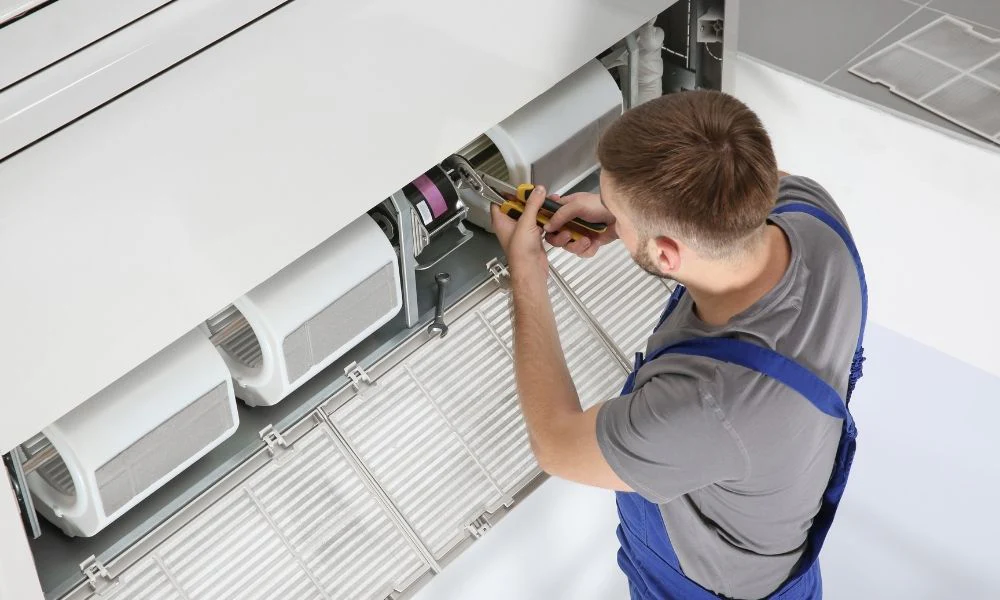
In today’s world, where energy costs are on the rise and environmental concerns are growing, investing in an energy-efficient HVAC system is not only smart but also crucial for homeowners. Heating, ventilation, and air conditioning (HVAC) systems play a significant role in maintaining indoor comfort, but they can also be one of the largest energy consumers in a home. By switching to energy-efficient HVAC systems, you can reduce your energy bills, minimize your carbon footprint, and still enjoy year-round comfort.
In this article, we’ll explore the benefits of energy-efficient HVAC systems, key factors to consider when upgrading, and the latest technologies that are helping homeowners save money and stay comfortable.
1. Benefits of Energy-Efficient HVAC Systems
Lower Energy Bills
One of the most significant benefits of upgrading to an energy-efficient HVAC system is the potential for lower energy bills. These systems are designed to use less energy to heat or cool your home, translating into reduced utility costs.
- Improved efficiency ratings: Look for HVAC units with higher SEER (Seasonal Energy Efficiency Ratio) and HSPF (Heating Seasonal Performance Factor) ratings, which indicate better energy efficiency.
- Smart thermostats: Energy-efficient HVAC systems often pair with smart thermostats, which can automatically adjust temperatures based on your schedule, further reducing energy usage.
Environmental Impact
By using less energy, energy-efficient HVAC systems contribute to a reduction in greenhouse gas emissions. This helps reduce your home’s overall carbon footprint, making it a more sustainable choice.
- Reduced energy consumption: Energy-efficient systems lower the demand on energy grids, which often rely on fossil fuels for power generation.
- Eco-friendly refrigerants: Many newer HVAC systems use refrigerants that are less harmful to the environment, contributing to lower levels of ozone depletion and global warming.
Enhanced Indoor Comfort
Energy-efficient HVAC systems don’t just save money—they also provide superior comfort. These systems maintain more consistent indoor temperatures and better humidity control, ensuring that your home remains comfortable throughout the year.
- Better temperature control: Systems with variable-speed motors adjust airflow to match your home’s heating or cooling needs, eliminating uncomfortable temperature swings.
- Improved air quality: Many modern systems come with advanced filtration, improving the quality of the air inside your home by reducing allergens and pollutants.
2. Key Factors to Consider When Upgrading to an Energy-Efficient HVAC System
Before upgrading your HVAC system, it’s important to understand the factors that influence its energy efficiency. Making the right choices will ensure you maximize your savings and comfort.
SEER and HSPF Ratings
When selecting an HVAC system, pay close attention to the SEER rating for air conditioners and the HSPF rating for heat pumps. These ratings measure the system’s efficiency—the higher the rating, the more energy-efficient the unit.
- SEER rating: The SEER rating measures how efficiently an air conditioning unit can cool your home during a typical season. A rating of 15 or higher is considered energy efficient.
- HSPF rating: For heat pumps, the HSPF rating measures how efficiently the unit can heat your home. Look for a system with an HSPF rating of 8 or higher.

Proper Sizing
An energy-efficient HVAC system won’t deliver savings or comfort if it’s not properly sized for your home. A unit that is too large or too small will either waste energy or struggle to meet your heating and cooling needs.
- Manual J calculation: Hire a professional HVAC technician to perform a Manual J load calculation, which determines the correct size of the system based on your home’s insulation, square footage, and other factors.
- Avoid oversizing: Oversized units will short-cycle, meaning they will turn on and off too frequently, leading to higher energy consumption and uneven temperatures.
Energy-Efficient HVAC Components
When upgrading your HVAC system, consider additional components that can further improve efficiency:
- Variable-speed motors: These motors adjust their speed to deliver the exact amount of heating or cooling needed, reducing energy waste.
- Zoned heating and cooling: Zoning systems allow you to control temperatures in different parts of your home independently, which can lead to significant energy savings.
3. Latest Technologies in Energy-Efficient HVAC Systems
The HVAC industry is constantly evolving, and recent technological advancements have made systems more energy-efficient than ever. Here are some of the latest innovations helping homeowners save money and reduce energy usage.
Smart Thermostats
Smart thermostats, such as the Nest or Ecobee, are revolutionizing how homeowners manage their energy use. These devices learn your heating and cooling preferences over time and automatically adjust the temperature for maximum comfort and energy savings.
- Remote control: Smart thermostats allow you to control your HVAC system from your smartphone, enabling you to adjust the temperature even when you’re not home.
- Energy reports: Many smart thermostats provide detailed energy usage reports, helping you track savings and identify further opportunities to reduce consumption.
Geothermal Heat Pumps
Geothermal heat pumps are among the most energy-efficient HVAC systems available. They use the earth’s stable underground temperature to heat and cool your home, significantly reducing energy consumption.
- Long-term savings: Although geothermal systems have a higher upfront cost, they offer long-term savings by reducing energy bills by up to 70%.
- Durability: Geothermal systems have a longer lifespan than traditional HVAC units, often lasting 20 years or more with proper maintenance.
Ductless Mini-Split Systems
Ductless mini-split systems offer an energy-efficient alternative to traditional forced-air HVAC systems, particularly for homes without ductwork.
- No duct losses: Because they don’t rely on ducts, mini-split systems eliminate energy losses typically associated with ducted systems.
- Zoning capability: Mini-split systems allow for independent control of different rooms or zones, maximizing comfort and efficiency.
Conclusion
Investing in an energy-efficient HVAC system is a smart move for any homeowner looking to save money, improve comfort, and reduce environmental impact. By choosing the right system with high SEER and HSPF ratings, incorporating advanced components like smart thermostats, and considering the latest energy-saving technologies, you can enjoy a more comfortable home while cutting down on energy costs. Upgrading your HVAC system today means not only staying comfortable year-round but also making a positive contribution to the environment.
