

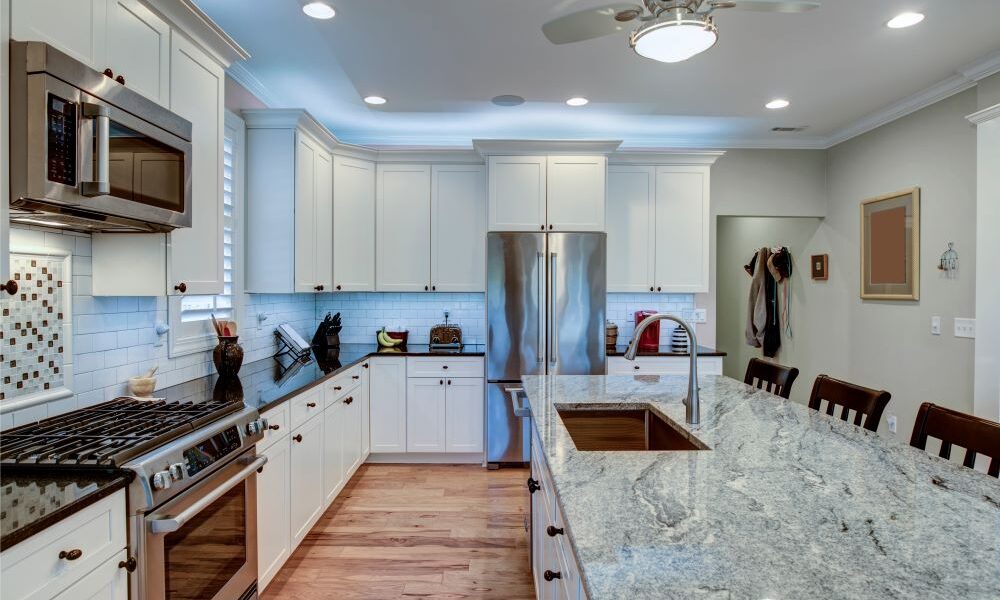
Investing in quartz countertops isn’t just about improving the appearance of your kitchen or bathroom—it’s about making a smart, long-term investment in your home. But when it comes to the cost of quartz countertops, the pricing puzzle can feel overwhelming.
In this article, we’ll break down the key factors, hidden costs, and money-saving strategies to help you make a confident and informed decision.
Let’s dive in!
Understand the Core Cost Components
The cost of quartz countertops isn’t a single figure; it’s a sum of various factors.
- Material Quality: Premium quartz with intricate veining and colors costs more.
- Slab Thickness: Thicker slabs are more durable but come at a higher price.
- Installation Complexity: Custom edges, backsplashes, and cutouts add labor costs.
- Brand Reputation: Well-known brands like Cambria and Caesarstone often have premium pricing.
Persuasive Insight: Investing in quality materials and skilled installation pays off in long-term durability and timeless appeal.
Know the Average Price Ranges
While prices can vary, here’s a general guide for the cost of quartz countertops:
- Entry-Level Quartz: $50–$70 per square foot (installed)
- Mid-Range Quartz: $70–$100 per square foot (installed)
- High-End Quartz: $100–$150+ per square foot (installed)
These costs include both materials and basic installation but may not account for custom features.
Persuasive Insight: Choosing mid-range quartz often strikes the perfect balance between style, durability, and budget.
Hidden Costs to Watch Out For
Beyond the listed prices, several hidden costs can catch you by surprise:
- Custom Edges: Fancy edges like ogee or beveled profiles add $10–$30 per linear foot.
- Sink and Fixture Cutouts: Expect an additional $200–$500 per cutout.
- Seam Matching: Aligning patterns seamlessly requires skilled labor, which adds to costs.
Persuasive Insight: Transparency is key—always ask for an itemized quote to avoid unexpected expenses.
Regional Pricing Differences
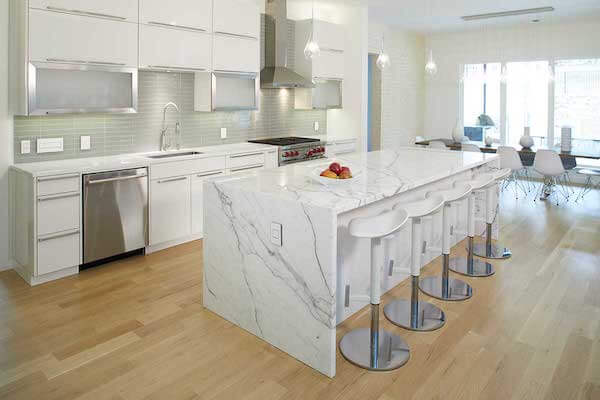
Where you live can significantly impact quartz surface pricing.
- Urban Areas: Higher demand and labor costs drive up prices.
- Suburban and Rural Areas: Lower labor costs result in more affordable pricing.
- Regional Variations: Costs on the West Coast are typically higher than in the Midwest or South.
Persuasive Insight: If possible, compare quotes from nearby regions to identify cost-effective options.
Long-Term Value vs. Upfront Cost
Quartz countertops are not just a purchase; they’re a quartz countertop expense breakdown that delivers ongoing value.
- Durability: Resistant to scratches, stains, and heat.
- Low Maintenance: No sealing or expensive treatments required.
- Increased Home Value: Homes with quartz countertops often fetch higher resale prices.
Persuasive Insight: Paying a little more upfront can save you thousands in future maintenance and repairs.
Compare Quartz to Other Countertop Materials
Before committing, compare quartz with other popular countertop materials:
- Granite: Durable but requires regular sealing.
- Marble: Luxurious but prone to staining and scratches.
- Laminate: Budget-friendly but lacks durability and aesthetic appeal.
Persuasive Insight: Quartz strikes the ideal balance of affordability, durability, and style compared to other options.
Choose the Right Supplier and Installer
Selecting the right team is as important as choosing the material.
- Get Multiple Quotes: Prices can vary between suppliers.
- Check Reviews and Portfolios: Ensure they have experience with quartz installations.
- Ask About Warranties: A good warranty signals confidence in their work.
Persuasive Insight: A skilled installer can maximize the value of your investment and avoid costly mistakes.
Smart Budgeting Tips for Quartz Countertops
Even with premium material, there are ways to optimize your budget:
- Use Standard Edges: Simple edges reduce costs.
- Consider Remnants: Smaller spaces can use discounted slab remnants.
- Plan Ahead: Order materials early to avoid rush charges.
Persuasive Insight: Smart budgeting ensures you get the most value for every dollar spent.
Know When to Invest in Premium Options
Not every project needs top-tier quartz, but in certain scenarios, it’s worth the splurge:
- High-Traffic Kitchens: Premium slabs withstand heavy daily use.
- Statement Designs: Bold veining or unique finishes make a strong visual impact.
- Luxury Homes: Higher-grade quartz enhances overall property value.
Persuasive Insight: Sometimes, spending a little extra is the difference between good and exceptional.
Final Thoughts: Making the Right Decision
The cost of quartz countertops is more than just a number—it’s an investment in style, durability, and long-term value.
Key Takeaways:
- Understand cost factors: material grade, thickness, and installation complexity.
- Be mindful of hidden expenses.
- Compare regional pricing.
- Plan your budget smartly.
- Know when premium options are worth the cost.
Persuasive Closing Insight: Quartz countertops are not just a surface—they’re a statement. Done right, they’ll serve you beautifully for decades to come.
