

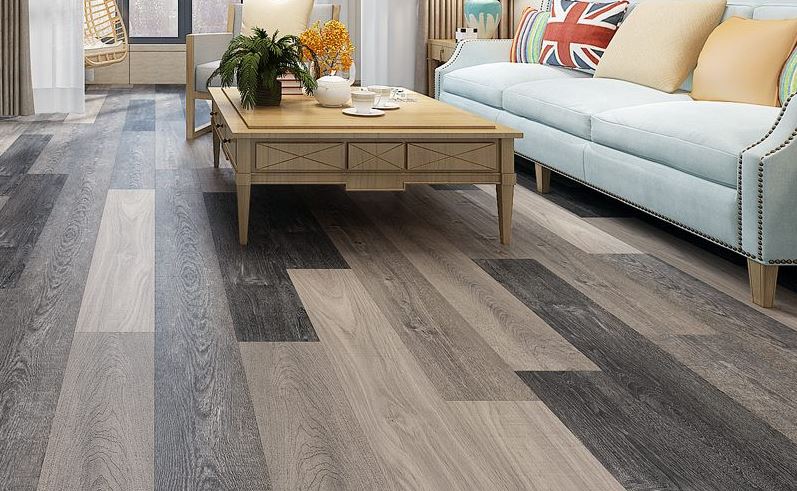
In the ever-evolving world of home interiors, SPC flooring—short for Stone Plastic Composite—has emerged as a frontrunner in modern, durable flooring solutions. Known for its strength, waterproof qualities, and striking resemblance to natural wood or stone, SPC flooring is quickly becoming the go-to choice for homeowners, designers, and commercial spaces alike.
But what exactly makes SPC flooring so tough, stable, and stylish? And why should consumers care about what happens behind the scenes?
Let’s take a deep dive into how SPC flooring is made, what makes it different, and why understanding its composition matters when making flooring decisions.
What Is SPC Flooring, Exactly?
Before we get into the manufacturing process, it helps to understand what SPC flooring actually is.
SPC stands for Stone Plastic Composite (or sometimes Solid Polymer Core), and it’s a type of rigid core luxury vinyl flooring. What sets it apart from traditional vinyl or laminate flooring is its dense core made from a blend of limestone powder, polyvinyl chloride (PVC), and stabilizers. This results in a product that is:
- Waterproof
- Highly durable
- Dimensionally stable
- Impact-resistant
SPC planks are layered, and each layer plays a critical role in both performance and aesthetics.
The Anatomy of an SPC Flooring Plank
Most SPC flooring planks consist of the following layers:
Wear Layer
This transparent top layer protects the surface from scratches, stains, and fading. It’s what gives the floor its long life and ability to withstand daily wear and tear.
Vinyl Layer (Decorative Film)
Underneath the wear layer lies the high-resolution photographic film that mimics the appearance of natural materials like wood or stone. This is where SPC’s visual appeal shines.
SPC Core Layer
The heart of the product—a solid, rigid core made of limestone (calcium carbonate), PVC, and stabilizers. This layer is what gives SPC flooring its trademark stability and toughness.
Backing Layer or Underlayment (optional)
Some SPC planks come with an attached foam or cork underlayment for added comfort, sound absorption, and easier installation.
Step-by-Step: How SPC Flooring Is Made
Raw Material Mixing
The process begins by mixing powdered limestone, PVC resin, and various stabilizers. This carefully calculated formula ensures the right balance of strength, flexibility, and environmental safety.
Extrusion
The mixture is then fed into an extrusion machine, where it’s melted and formed into sheets. During this step, the rigid core layer is created—dense, flat, and incredibly strong.
Lamination
Once the SPC core sheet is ready, it’s laminated with the vinyl decorative film and the protective wear layer using a hot press. This process ensures a permanent bond between layers and guarantees that the flooring will not delaminate over time.
Some manufacturers add UV coating at this stage for enhanced scratch and fade resistance.
Cooling and Cutting
After lamination, the large SPC sheets pass through a cooling system and are cut into standard plank sizes—typically 6×48 inches or similar dimensions.
Embossing (Optional but Popular)
To give the flooring a realistic texture, many manufacturers use embossed-in-register (EIR) technology, aligning texture patterns with the printed grain for a more authentic wood feel.
Click-Lock System Integration
Each plank is milled with a click-lock edge profile, allowing for easy, glue-free installation. This feature is especially popular with DIY homeowners.
Final Inspection & Packaging
Every batch goes through quality control checks, including thickness measurements, stain resistance testing, and locking system strength. Once approved, the planks are packaged and shipped.
Why the Manufacturing Process Matters
Understanding how SPC flooring is made isn’t just interesting—it’s important. Here’s why:
✔️ Durability Starts at the Core
A high-quality core means better resistance to dents, impacts, and environmental changes. Knowing your floor was made with proper limestone and stabilizer content ensures it won’t warp or swell over time.
✔️ Transparency Equals Trust
When a manufacturer is open about their materials and process, it’s easier for buyers to trust the product. Look for brands that disclose components and meet certifications like FloorScore or ISO standards.
✔️ Design Quality Tied to Technology
If you’re after realistic wood or stone visuals, you’ll want planks made with advanced printing and embossing techniques. Manufacturing quality directly influences how authentic your floor will look and feel.
✔️ Ease of Installation
The precision of the milling process affects how easily and tightly the planks click together. Inferior products might lead to gaps or lifting—issues that proper manufacturing avoids.
Final Thoughts
SPC flooring dubai isn’t just a pretty face—it’s a product of innovative engineering and thoughtful design. The next time you walk into a room with flawless, natural-looking floors that can withstand kids, pets, spills, and high heels, there’s a good chance you’re standing on SPC.
