

If your water heater could talk, it would probably complain. It works around the clock, heating water loaded with minerals and sediment, and it gets very little credit until the day it fails. Many Lavon homeowners only start thinking about water quality after a costly appliance repair. A whole house filtration system is one of the most practical ways to prevent that surprise, and the story is easiest to understand from the point of view of the hardest working machine in your home.
Protecting a house from water damage is a theme that runs from the plumbing closet all the way to the rooftop. The same homeowners who invest in better water inside the home often also reach out to specialists like Rocky Mountain Roof Doctors to make sure the exterior keeps rain where it belongs. Think of the two as partners: one controls the water coming in, the other controls the water falling on your home.
A Day in the Life of Your Water Heater
Every time you take a shower, run the dishwasher or start a load of laundry, your water heater springs into action. Inside the tank, cold water enters, gets heated and waits for its next assignment. If that water is hard, the minerals do not simply flow through. Calcium and magnesium come out of solution as the water heats and settle as scale on the heating elements and the bottom of the tank.
Over months and years, that layer thickens. The unit takes longer to heat water, uses more energy and may make popping or rumbling sounds as water bubbles beneath the scale. Eventually parts fail early. North Texas water is widely known for being on the harder side, so this is a real concern for homes around Lavon.
What a Whole House System Changes
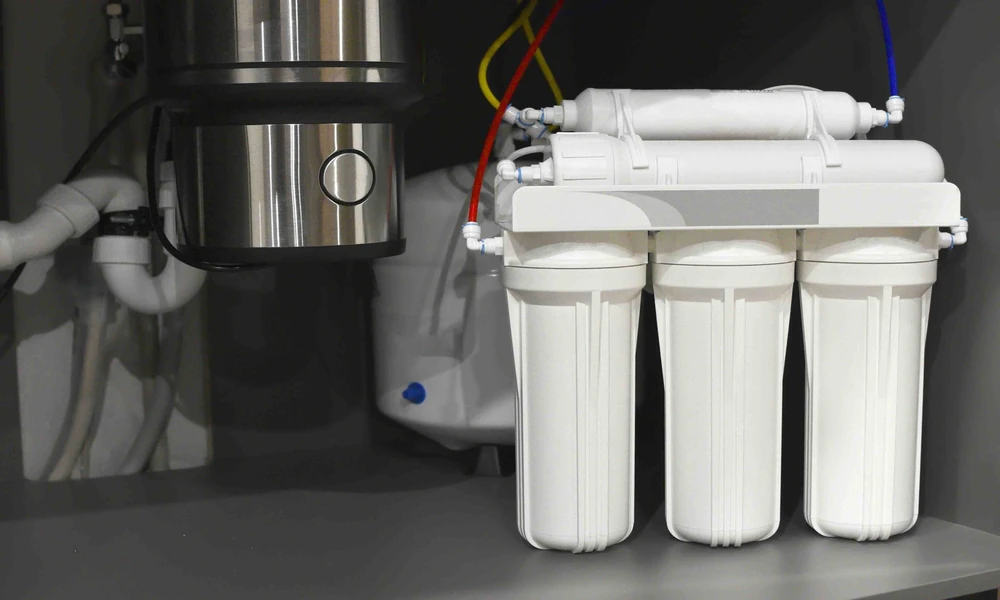
A whole house system treats water where the main line enters your home, before it reaches the heater or anything else. Depending on the setup, that can include:
- A sediment filter that traps sand, silt and rust particles
- An activated carbon stage that reduces chlorine and odors
- A softener or conditioner that reduces the impact of hardness minerals
With fewer minerals and less debris reaching the tank, there is less scale to build up. Many homeowners also notice the benefits elsewhere, from softer laundry to cleaner shower doors, but the water heater is where the long term savings are easiest to picture.
The Rest of the Appliance Family
Your water heater is not alone. Dishwashers, washing machines, ice makers and coffee machines all deal with the same water. Scale clogs spray arms, narrows hoses and leaves cloudy film on glassware. Sediment can jam small valves and screens.
Treating the water once at the entry point protects every one of these machines at the same time. Compare that with buying descaling products for each appliance or replacing small filters at several taps. One properly sized system can be simpler and more economical over the long run.
Signs Your Appliances Are Asking for Help
Your home often gives hints before something breaks. Watch for these:
- Rumbling, popping or hissing noises from the water heater
- Water that takes longer than it used to to turn hot
- White crusty buildup on faucets and showerheads
- Spotted glasses even after a full dishwasher cycle
- Stiff towels and faded clothes
- Higher energy bills with no change in habits
If several apply, request a water test. It will show your hardness level and whether sediment or chlorine is a factor. The EPA’s page on drinking water resources is a good starting point for understanding what the numbers in your supplier’s quality report mean.
Choosing Equipment Without Guesswork
Let your test results drive the decision, not a sales pitch. A homeowner with moderate hardness and a chlorine taste complaint may need a different setup than someone dealing mostly with sediment. Bring these questions to every installer:
- Which problems in my water does this system address?
- What will filters or media cost each year?
- Will the flow rate handle two showers and a dishwasher at once?
- Does it need electricity, a drain line or salt refills?
- Who handles service, and what does the warranty cover?
Collect at least two written quotes and compare what each includes. Be skeptical of any claim that one unit removes everything.
Where to Put It and How to Maintain It
Most systems sit near the main water line in a garage, utility room or outdoor pad. Choose a spot with room to change filters easily. If the unit is outside, shade it and protect it from freezing, since North Texas cold snaps can crack exposed plumbing.
Maintenance is simple but important. Replace cartridges on the recommended schedule, refill softener salt before it runs out, and watch for sudden drops in pressure. Keep a short log of service dates, and retest your water about once a year. A neglected system stops protecting your appliances, so a little routine care pays off.
Do Not Forget the Water Outside
Here is where the water heater would nudge you and say, look up. Even perfect water inside the home cannot protect you from moisture getting in from above. Missing shingles, cracked flashing, clogged gutters or poor drainage can send water into attics, walls and crawl spaces. The result is mold, rot, stained ceilings and repair bills that can dwarf the cost of a filtration system.
After heavy storms, take a short walk around the property. Look for loose or missing shingles, sagging gutters, and pooling water near the foundation. Check the ceiling inside for new stains. Small problems caught early are far easier and cheaper to fix than major damage found late.
Putting It All Together
A whole house filtration system is not mandatory for every Lavon home, but it is a sensible upgrade when scale, odd tastes or short appliance lifespans are showing up. Start with a water test, compare quotes, choose equipment based on facts and keep up with simple maintenance. Pair that with a sound roof and healthy drainage, and your home is protected from water in every direction.
Your water heater cannot say thank you, but it will show its gratitude with more years of quiet, reliable service.
