

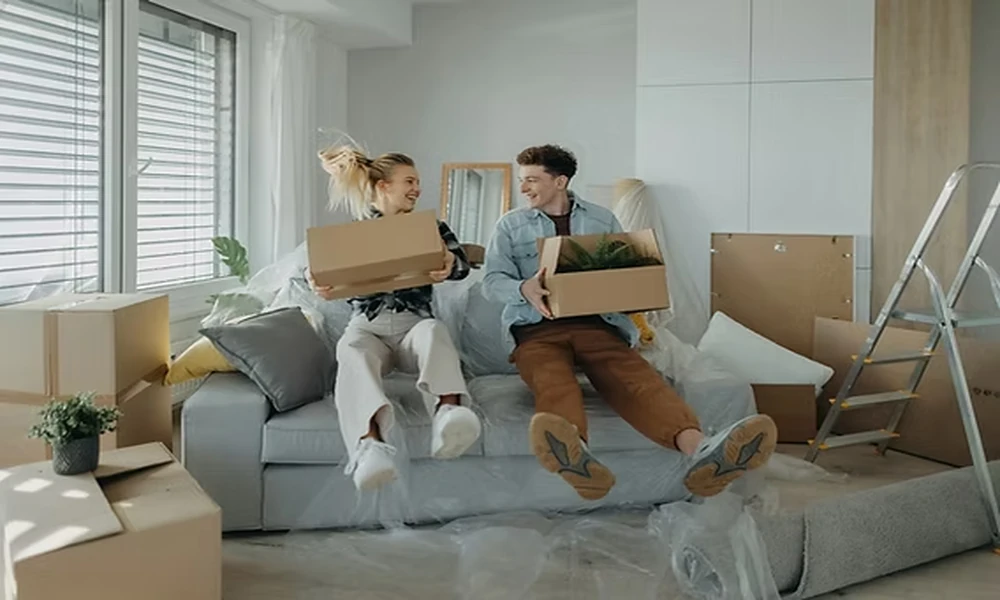
House moving is a great experience, but it can be dangerous as well, particularly when you move your valuable belongings. In most cases, the items found in everyday household goods can be replaced, but some items have sentimental value and/or monetary value.
A family heirloom such as a dining table that has been passed down for decades, a set of original paintings, or a piece of jewellery that’s been handed down from generation to generation has much more value than its worth. These items are subject to special protection in a move and require special care with planning and attention to detail.
Here are a few extra steps to take before moving day to avoid damage and bring peace of mind to the moving process.
Use an inventory to begin.Use an inventory as a starting point.
When preparing for packing, make a comprehensive list of valuable items.
It should contain items such as furniture, art, antiques and heirlooms, collectibles, and other items that cannot be easily replaced if lost or stolen and would cost a great deal to replace. It can also be helpful to take photos, especially if you are making arrangements for the moving company to move them.
There are a number of uses for an inventory. It keeps you organized and makes it easier to unpack and keep records for insurance in case you need them.
When people go through and get each of their assets identified, they are shocked by the amount of assets they have.
Premature moving damage is often due to inadequate packing.
The level of protection provided by not all boxes and protective materials is the same. Fragile products require robust packaging that is capable of handling transportation movement.
Moving boxes, bubble wrap, packing paper or furniture blankets can be of good quality and can be worth it. Specialized cartons may be needed for artwork and custom wrapping can be used for fragile antiques to minimize movement within the box.
It is typically much less costly to have the proper materials from the beginning than it is to fix broken ones during or after construction.
Give special consideration to artwork.
If not handled properly, frames can crack, glass can shatter and canvases can become punctured. Some pieces can be affected by changes in temperature and moisture.
When storing paintings or framed artwork, do it one at a time and stand upright, if possible. Heavy objects should not be placed on top of artwork as this can cause damage.
If the object is worth a lot, you can receive a professional packing service that may give you an added level of reassurance and protection.
Keep furniture from being scratched and dented.
Moving through tight corners and legs can cause scratches on wooden surfaces, and corners and legs are highly susceptible to scratches when being moved. A little flaw can ruin the beauty and worth of a cherished artifact.
Many of the common problems can be avoided using furniture blankets, furniture protective covers and corner guards. Move drawers and doors with doors closed and secure and take off removable parts, if applicable, and pack separately.
A little preparation in the making of furniture can make a significant difference.
Store Family Heirlooms securely.
There are certain things that are too precious or so important that you cannot fit them into a moving truck.
Jewellery, important documents and family photographs, passports and small heirlooms are usually transported by the owner. Having these items with you also decreases the risk of loss or having them under your direct control.
Consider special handling arrangements if the item would be impossible to replace.
For this reason, a lot of families elect to store their most important personal possessions in a separate essentials box.
Consider Insurance Coverage
Check what protection is offered through your insurance when moving, before you relocate. Limited coverage is available for some house policies, and if there are specific issues, supplemental moving insurance coverage may be available.
Understanding exactly what is covered can help you make informed decisions on packing up, transport and risk management.
Clarification of these issues is far better done BEFORE the move day, than after.
Label Boxes Clearly
Labeling can be a simple concept, but it can make a big difference in safe handling of belongings.
Fragile items must be clearly marked on several sides and be stored in boxes. There are labels in boxes, such as “Fragile” and “This Side Up” or “Handle with Care” to assist in proper loading and unloading of boxes.
An easy numbering system that connects with your inventory can also help to streamline and organize the process of unpacking.
Effective labelling can help prevent confusion and make it clearer to all concerned what is in need of special attention. Contact moving company in the Northern Beaches.
