

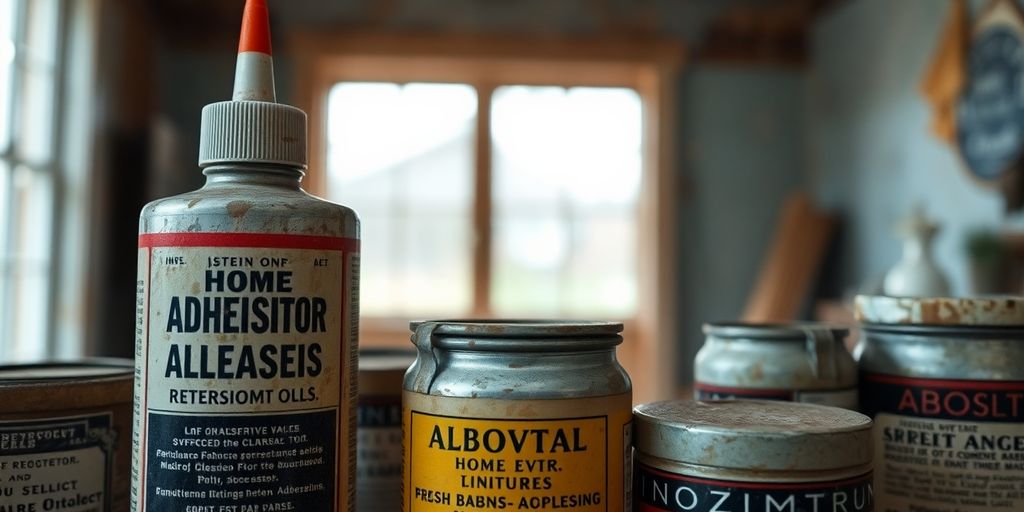
Understanding Asbestos in Construction Materials
Asbestos, a naturally occurring mineral, was once a staple in construction materials due to its durability and heat resistance. It was commonly mixed into products like adhesives to enh
| Asbestos Exposure |
ance their strength and longevity. These adhesives, often used in home construction, could contain anywhere from 1% to 25% asbestos fibers. Over time, as these materials age and degrade, they can become brittle, releasing harmful fibers into the air. This poses a significant health risk to anyone exposed.
Historical Use of Asbestos in Adhesives
The history of asbestos in adhesives dates back to the late 19th century. Companies like the precursor of Johns Manville Corporation began manufacturing fibrous adhesive cement containing asbestos as early as 1887. During World War II, the demand for asbestos adhesives surged, particularly for military applications such as shipbuilding. Post-war, the use continued to expand into civilian construction, embedding asbestos deeply into the fabric of home building materials.
Health Implications of Asbestos Exposure
Exposure to asbestos fibers is linked to serious health issues, including mesothelioma and lung cancer. These diseases often develop years after initial exposure, making early detection challenging. Homeowners and construction workers dealing with old buildings are at risk, especially during renovations or demolitions where asbestos adhesives might be disturbed. It’s crucial to handle these materials with care to prevent the release of asbestos fibers into the air. For more information on the hazards of asbestos adhesives, it’s important to understand how these fibers can become airborne and the potential health risks involved.
Common Types of Asbestos-Containing Adhesives
Black Mastic and Its Risks
Black mastic is a type of adhesive that was widely used in construction, particularly in flooring applications. This adhesive is notorious for containing high levels of asbestos, sometimes up to 25%. Over time, as black mastic ages, it can become brittle and break down, releasing asbestos fibers into the air. This poses significant health risks to anyone who may come into contact with these fibers. Testing for asbestos in black mastic, especially in buildings constructed before the 1990s, is crucial to ensure safety.
Caulking and Joint Compounds
Caulking and joint compounds were also common in construction and renovation projects, used to seal and finish various surfaces. These materials often contained asbestos, which was added to enhance durability and resistance to heat. As they age, caulking and joint compounds can deteriorate, leading to the potential release of asbestos fibers. Proper handling and disposal are essential to minimize exposure risks.
Sealants and Waterproofing Materials
Sealants and waterproofing materials were frequently used in roofing and other areas requiring moisture resistance. Asbestos was added to these products to improve their strength and longevity. However, as these materials degrade, they can release asbestos fibers, posing health hazards. Homeowners and construction professionals should be aware of the potential presence of asbestos in these materials and take appropriate precautions when dealing with them.
In summary, asbestos-containing adhesives were once prevalent in construction due to their durability and heat resistance. However, the health risks associated with asbestos exposure have led to increased scrutiny and regulation of these materials. It is important to identify and safely manage any asbestos-containing adhesives to protect both current and future occupants of affected buildings. For more information on the types of asbestos, including their characteristics and health risks, further research is recommended.
Health Risks Associated with Asbestos Adhesives
Mesothelioma and Other Asbestos-Related Diseases
When it comes to asbestos, the health risks are significant. Mesothelioma, a rare and aggressive form of cancer, is directly linked to asbestos exposure. This disease primarily affects the lining of the lungs but can also impact the abdomen and heart. Besides mesothelioma, asbestos exposure can lead to other serious ailments such as lung cancer, laryngeal cancer, and ovarian cancer. The danger lies in inhaling microscopic asbestos fibers, which can lodge in the body and cause inflammation over time.
Long-Term Health Effects
The long-term effects of asbestos exposure are often severe and life-altering. Individuals exposed to asbestos may not show symptoms for decades, making early detection difficult. Over time, these fibers can cause chronic respiratory issues, asbestosis, and pleural plaques. The latency period for diseases like mesothelioma can span 20 to 50 years, which complicates diagnosis and treatment.
Legal Cases and Compensation
Many individuals affected by asbestos-related diseases have sought compensation through legal channels. Lawsuits often target manufacturers who knowingly exposed workers to asbestos without adequate protection. Notable cases have resulted in significant settlements and judgments, providing some relief to affected families. These legal battles highlight the importance of awareness and preventive measures in reducing exposure to asbestos.
Occupational Exposure to Asbestos Adhesives
High-Risk Occupations
Occupational exposure to asbestos adhesives is a serious concern, especially for those in certain high-risk jobs. Construction workers, for instance, often encounter asbestos when renovating or demolishing old buildings. This exposure is not limited to those who initially applied the adhesives but extends to those who disturb it during repairs. Other professions at risk include:
- Bricklayers
- Demolition crews
- Drywall tapers
- Engineers
- Factory workers
- HVAC technicians
- Masons
- Painters
- Plumbers
- Shipyard workers
- Steel mill workers
- Welders
These workers may inhale asbestos fibers, leading to severe health issues, including lung cancer and mesothelioma. Asbestos exposure accounts for a significant percentage of lung cancer cases, especially in those who smoke.
Safety Measures and Regulations
To combat the dangers posed by asbestos, various safety measures and regulations have been implemented. Workers are encouraged to use protective gear, such as masks and gloves, to minimize exposure. Additionally, regulations require employers to conduct regular asbestos risk assessments and provide training on safe handling practices. Despite these measures, asbestos exposure in construction remains a pressing issue, with potential outcomes including pleural plaques and chronic obstructive pulmonary disease (COPD).
Impact on Construction Workers
The impact of asbestos exposure on construction workers is profound. Many workers have developed serious illnesses after years of working with asbestos-containing materials. The latency period of diseases like mesothelioma means symptoms can take decades to appear, complicating diagnosis and treatment. The construction industry continues to grapple with the legacy of asbestos, as workers face ongoing health challenges and pursue legal action for compensation. This situation highlights the need for continued vigilance and stricter enforcement of safety regulations to protect current and future generations of workers.
Identifying Asbestos Adhesives in Homes
Signs of Asbestos Adhesives
Spotting asbestos adhesives in homes isn’t as easy as you’d think. They were used in all kinds of places—floors, walls, ceilings, and even in pipes. If your home was built before the 1990s, there’s a chance these adhesives are lurking around. Black mastic, a common type, was often used under vinyl tiles. It looks like a dark, tar-like substance. Keep an eye out for old, brittle adhesives that might be crumbling or peeling away.
Testing and Professional Assessment
Identifying asbestos in your home is challenging since it cannot be easily recognized by sight. To confirm its presence, it’s essential to collect samples and have them analyzed in a laboratory. Hiring a professional is the safest route. They know what to look for and can take samples without spreading asbestos fibers. Identifying asbestos in your home is crucial for safety, and professionals have the right equipment to handle it. They’ll send samples to a lab, and you’ll get a clear answer on whether asbestos is present.
Safety Precautions for Homeowners
If you suspect asbestos adhesives in your home, don’t panic. But definitely don’t start scraping or sanding away at it either. Here are some safety tips:
- Don’t disturb it: Asbestos is dangerous when fibers are released into the air.
- Avoid using regular vacuum cleaners: They can spread fibers around your home.
- Seal off the area: If possible, close doors and windows to prevent fibers from spreading.
Consider reaching out to professionals for advice on the next steps. It’s better to be safe than sorry when it comes to asbestos.
The Process of Asbestos Adhesive Removal
Professional Abatement Procedures
Removing asbestos adhesives is a task best left to professionals. These experts have the right gear and know-how to safely handle and dispose of asbestos materials. The process involves several critical steps to prevent airborne fibers, like turning off HVAC units, sealing vents, and using plastic sheeting to contain the area. These measures are crucial for ensuring safety during asbestos handling. Wet-scraping is a common method used, which involves spraying the adhesive with a water-detergent mixture. This not only softens the adhesive but also helps keep asbestos fibers from becoming airborne.
DIY Removal Risks
While it might be tempting to save money by removing asbestos adhesives yourself, it’s risky. Without proper equipment and training, you could accidentally release asbestos fibers into the air. These fibers are harmful when inhaled and can lead to serious health issues over time. Plus, using chemical solvents might not be safe for all types of adhesives and could potentially damage the subfloor.
Legal Requirements for Safe Removal
There are strict regulations governing the removal of asbestos-containing materials. It’s important to comply with these laws to avoid legal repercussions and ensure everyone’s safety. Some areas require permits or notifications before starting removal work. Additionally, asbestos waste must be disposed of in specific ways to prevent environmental contamination. Exploring methods like high-speed milling can transform asbestos into nonhazardous materials, offering a safer disposal option.
The Role of Manufacturers in Asbestos Adhesive Production
Major Companies Involved
During the 20th century, many companies manufactured adhesives containing asbestos, a mineral known for its heat resistance and durability. These firms used asbestos to enhance the performance of their products, despite knowing its health risks. Some notable companies in this field included:
- Johns-Manville: Known for producing a range of construction materials, including adhesives.
- Armstrong World Industries: Specialized in flooring materials and associated adhesives.
- Celotex Corporation: Produced roofing shingles and adhesives.
These manufacturers have faced numerous lawsuits due to the health issues caused by asbestos exposure, including significant health risks like mesothelioma.
Historical Production Practices
Asbestos adhesives were popular from the early 1900s through the late 20th century. Initially, the mineral was added to adhesives to improve strength and resistance to heat and chemicals. Manufacturers often used between 1% and 25% asbestos in these products. This practice was widespread despite the known dangers, primarily because asbestos was cheap and effective.
During World War II, the demand for asbestos adhesives surged, especially in shipbuilding. Post-war, civilian applications expanded, leading to widespread use in homes and commercial buildings.
Corporate Responsibility and Accountability
The use of asbestos in adhesives has led to significant legal and ethical challenges for manufacturers. Many companies have been held accountable in court for failing to protect workers and consumers from asbestos exposure. Some firms, like Johns-Manville, have established trust funds to compensate victims. The legacy of asbestos use continues to affect these companies, as they navigate ongoing legal battles and public scrutiny.
Regulatory Changes and Bans on Asbestos Adhesives
EPA Regulations and Guidelines
The Environmental Protection Agency (EPA) has been at the forefront of regulating asbestos use in the United States. In March 2024, the EPA announced a ban on the ongoing uses of chrysotile asbestos, a decision aimed at safeguarding public health against severe diseases like lung cancer and mesothelioma. This regulation is a significant step, but the implementation process may take several years, requiring ongoing vigilance and adaptation.
International Bans and Standards
Globally, many countries have already implemented strict bans on asbestos. For instance, the UK banned all types of asbestos by 1999, demonstrating a proactive approach to public health. Different countries have set varying standards, but the ultimate goal remains the same: to eliminate asbestos-related health risks. The international community continues to push for unified standards to ensure safety across borders.
Future Directions in Asbestos Regulation
As awareness grows about the dangers of asbestos, future regulations are likely to become more stringent. There is a strong push towards not only banning asbestos but also ensuring safe removal from existing structures. Innovations in testing and abatement technologies are expected to play a crucial role in these efforts. As regulations evolve, the focus will likely shift towards comprehensive solutions that address both current exposures and legacy issues.
Alternatives to Asbestos Adhesives in Modern Construction
Safe and Sustainable Adhesive Options
In today’s construction world, there’s a big push to move away from asbestos-containing materials, especially in adhesives. Modern adhesives offer safer and more sustainable alternatives that don’t compromise on performance. Here are some popular choices:
- Acrylic Adhesives: These are widely used because they bond well with various surfaces and don’t pose the health risks associated with asbestos. They’re versatile and can be used in everything from flooring to wall panels.
- Epoxy Adhesives: Known for their strong bonding capabilities, epoxy adhesives are ideal for heavy-duty applications. They are resistant to chemicals and moisture, making them a great choice for both indoor and outdoor use.
- Polyurethane Adhesives: These adhesives are flexible and durable, suitable for a range of construction needs. They provide excellent adhesion to many substrates and are often used in flooring and roofing applications.
Innovations in Construction Materials
The construction industry is seeing a wave of innovation aimed at finding materials that are both effective and environmentally friendly. Bio-based adhesives, for example, are made from renewable resources and are gaining popularity. These adhesives not only reduce reliance on synthetic materials but also lower the carbon footprint of construction projects.
Transitioning to Asbestos-Free Products
Switching to asbestos-free products is not just a regulatory requirement in many places; it’s also a commitment to safety and sustainability. The EPA’s guidelines encourage the use of alternatives that are less harmful to both human health and the environment. As more builders and manufacturers adopt these practices, the industry is gradually moving towards a future where asbestos is a thing of the past. This transition is supported by advancements in technology and a growing awareness of the dangers posed by asbestos.
In conclusion, the shift from asbestos adhesives to modern alternatives is not just beneficial but necessary. By embracing new materials and methods, the construction industry is not only safeguarding health but also paving the way for a more sustainable future.
The Legacy of Asbestos in Home Construction
Impact on Modern Building Practices
Asbestos was once a staple in construction, used for its strength and heat resistance. However, as its health risks became clear, the construction industry faced a significant shift. Many builders had to rethink their materials and methods, leading to a gradual phase-out of asbestos products. This transition wasn’t just about finding new materials; it was about ensuring safety. Builders began prioritizing health and environmental standards, which reshaped modern building practices. Today, the industry leans heavily on safer, sustainable materials, a direct response to the asbestos legacy.
Lessons Learned from Asbestos Use
The widespread use of asbestos taught the construction industry some hard lessons. One of the biggest takeaways was the importance of thorough testing and regulation of building materials. The asbestos era highlighted the dangers of prioritizing performance over safety. Now, there’s a greater emphasis on understanding the long-term effects of materials before they become mainstream. This lesson extends beyond asbestos, influencing how new materials are vetted and approved today.
Ongoing Challenges and Solutions
Despite the progress, challenges remain. Many older buildings still contain asbestos, posing risks during renovations or demolitions. Homeowners and construction workers need to be aware of these dangers. Construction workers face significant risks, especially when disturbing old materials. Solutions include strict safety protocols and professional asbestos abatement services. There’s also a push for better education and awareness to prevent asbestos exposure. While the legacy of asbestos is complex, ongoing efforts aim to mitigate its impact and protect future generations.
Further Reading
